


In today’s fast-paced world, ultra-processed foods often find their way onto our plates for convenience.
But not all processed foods are created equal.
It’s crucial to distinguish between processed foods, which can aid in healthy eating, and ultra-processed foods (UPFs), which may pose risks to our health.
Let’s delve into the nuances of these categories and explore the importance of reducing UPFs in our diets.
Processed Foods: Finding Balance in Convenience
Processed foods undergo alterations before reaching our plates, whether through freezing, canning, baking, or drying.
These modifications can range from adding salt, sugar, or preservatives to pasteurising milk for safety.
Common processed foods include cheese, fresh bread, frozen vegetables, and canned fruit, among others.
It’s important to note that not all processing is detrimental to health.
Minimally processed foods, like bagged spinach or chopped nuts, retain their nutritional value while offering convenience.
For instance, freezing vegetables preserves their nutrients, making them a practical choice for busy individuals.
Understanding Ultra-Processed Foods: Red Flags and Risks
On the other end of the spectrum lie ultra-processed foods—nutritionally poor, hyper-palatable products laden with artificial additives.
The NOVA scale categorises UPFs as industrially processed items that often contain unfamiliar ingredients not found in home kitchens.
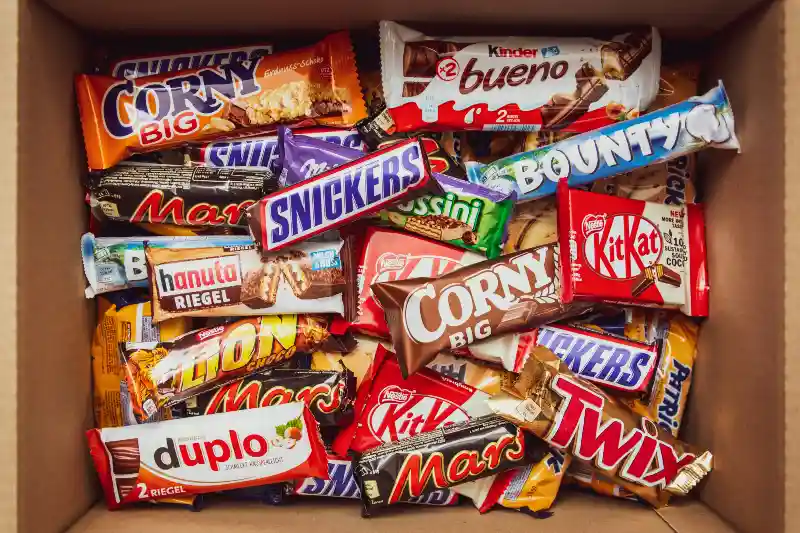
Examples include certain snacks, ready-to-eat meals, and sugary beverages.
Consumption of UPFs is alarmingly high, particularly in countries like the UK, where it surpasses European averages.
While completely eliminating UPFs from our diets may not be feasible, reducing their intake can yield significant health benefits.
Navigating Choices: Making Healthier Swaps
Fortunately, there are numerous alternatives to ultra-processed foods that can enhance the nutritional value of your diet:
Breakfast Cereals: Instead of sugary breakfast cereals loaded with additives, opt for whole-grain options with minimal added sugars. Look for cereals made from oats, quinoa, or bran flakes, which provide fibre and sustained energy.
Bottled Salad Dressings: Swap store-bought salad dressings containing artificial flavours and preservatives for homemade alternatives using olive oil, vinegar, herbs, and spices. Not only are they healthier, but they also offer a fresher taste.
Frozen Meals: While convenient, frozen meals often contain high levels of sodium and artificial additives. Prepare homemade freezer-friendly meals in advance using wholesome ingredients like lean proteins, whole grains, and plenty of vegetables.
Sweetened Beverages: Cut back on sugary sodas and energy drinks by opting for naturally flavoured sparkling water or herbal teas. Infuse water with fresh fruits or herbs for a refreshing, hydrating alternative.
Packaged Snacks: Ditch ultra-processed snacks like candy bars and cookies for nutrient-dense options such as trail mix, whole fruit, or Greek yogurt with honey and nuts. These snacks provide a satisfying blend of protein, fibre, and healthy fats.
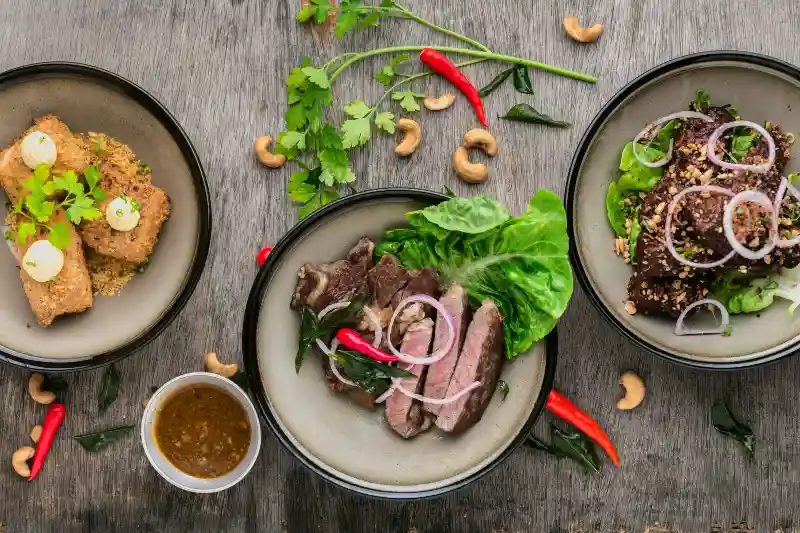
Ready-to-Eat Meals: Instead of relying on heavily processed convenience meals, prioritise homemade dishes made from scratch. Experiment with simple recipes using fresh ingredients to control portion sizes and maximise nutrition.
Frozen Desserts: Swap store-bought ice cream and frozen desserts for homemade versions using natural sweeteners like honey or maple syrup. Blend frozen fruits with yogurt or coconut milk for a delicious, guilt-free treat.
The Bottom Line: Balancing Choices for Better Health
While minimally processed and processed foods can be part of a balanced diet, excessive consumption of ultra-processed foods poses health risks.
Research suggests that UPFs may contribute to conditions like high cholesterol and cardiovascular disease.
Avoiding all processed foods entirely is impractical, but making mindful choices can mitigate health risks.
Start by incorporating more whole, nutrient-dense foods into your diet and gradually reducing reliance on UPFs.
By prioritising quality over convenience, you can nourish your body and support long-term well-being.


