


This week we are bringing you simple immune system diet & lifestyle hacks to support your immune health. Learn how to put yourself on the path to a stronger system today!
Taking proactive steps to strengthen your immune system is essential when it comes to attaining optimal health.
The good news is that this doesn’t mean buying every supplement under the sun or enduring crazy, restrictive raw food diets.
The following simple and effective diet and lifestyle hacks will help you to support your immune system and put yourself on the path to better immunity.
1. Prioritise Gut Health
“Hippocrates himself said that ‘all disease begins in the gut,” and he was totally right.
Maintaining a healthy gut microbiome is crucial when it comes to supporting your immune system – it is the gatekeeper to your body’s immunity!
One of the key ways to do this is, naturally, through optimal nutrition.
The gut loves diversity so we want to build up to 30 different plant foods every week.
Minimise your consumption of what I call ‘gut destroyers’ such as sugars, vegetable oils, artificial sweeteners and ultra-processed foods and ensure your diet is packed full of ‘gut healers’ such as prebiotic foods, fermented foods, omega 3 rich foods, and a rainbow of natural colours!
We can also go the extra mile with supplements like Symprove.
But opt for quality over quantity when it comes to supplements. We don’t need to be consuming dozens of supplements, as we can get nearly all our required nutrients from food.
If you need a bit of direction when it comes to which supplements to opt for, please do contact me![HS1]
2. Aim to incorporate these immune supporting foods
If you’re keen to support your immune system through your diet but aren’t sure about the foods you should be focusing on, I’ve got you covered!
The following examples include the key nutrients that have been identified as critical for the growth and function of immune cells and can easily and cheaply be included in your diet.
- Healthy fats – e.g. olive oil, nuts, seeds, flax, coconut, avocado, small oily fish etc.
- Lean Proteins – e.g. eggs, beef, venison, fish, lentils, cottage cheese, tofu, chicken breast, quinoa
- Vitamin C – e.g. kiwi’s, citrus fruits & green vegetables (peppers, broccoli, brussels)
- Vitamin D – e.g. mushrooms, fish and beef liver
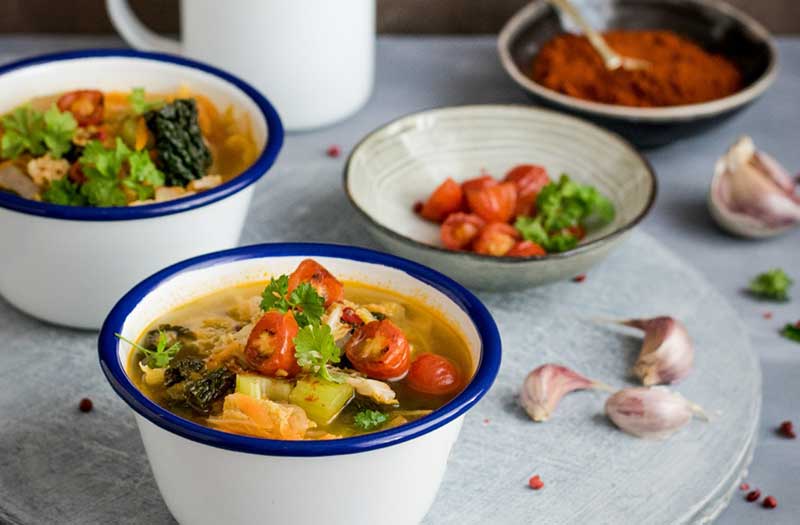
- Chicken soups – chicken – is good for healing; bone broth – supports gut health, cooked vegetable which are easy to digest and contain vitamin A & C (e.g. carrots, onions and celery), rehydrating
- Selenium – e.g. brazil nuts
- Zinc – e.g. meat, shellfish, legumes, eggs
- Iron – e.g. liver (but avoid this during pregnancy) red meat, beans, red kidney beans, edamame beans, chickpeas and nuts
3. Sleep

Sleep is the foundation of good health and I think it’s fair to say that many of us just don’t prioritise it.
Getting good quality sleep is essential for a healthy immune system, in fact, studies have shown that insufficient amounts of sleep can weaken our body’s natural defences, making it easier for us to become sick.
If sleep doesn’t come easily to you, make your bedroom and living room as cosy and inviting as possible and perhaps invest in a sunrise alarm clock.
This will minimise phone screen time (proven to be highly detrimental for sleep!) whilst providing you with extra light that will make it easier to wake up on dark mornings!
I’d also highly recommend going easy on the caffeine, especially if you’re struggling to sleep through the night.
4. Stress – Stress is part of most illnesses affecting

This might be a bit more of a challenging problem to solve, but managing stress is astronomically important when it comes to maintaining a strong immune system.
There are many factors that contribute to stress, but whatever the cause, it creates a hormone in the body called cortisol.
This can restrain the body’s effectiveness at fighting off viruses and infections by obstructing white blood cell productive and communication.
Everyone’s situation is unique, so there is no one size fits all response when it comes to reducing/managing stress.
Some general tips are to make sure you take time to relax and prioritise self-care. Consider activities like mindfulness, yoga or other forms of exercise, reading a book, taking a hot bath or getting an early night’s sleep.
Also, look at your weekly or monthly schedule. Are there any things that are adding to the stress load that you could remove? Even if temporarily.
5. Movement is medicine!

Movement really is medicine to the body. It helps to circulate white blood cells more effectively round the body, which helps to fight off infections.
Plus, it reduces inflammation and enables the different elements of your immune system to move easily and freely around the body so they can do their job where they need to and do it efficiently!
Ideally aim for a minimum of 30 minutes of low-to-moderate intensity exercise every day (this could be anything from a brisk lunchtime walk to a sweaty, invigorating spin class and incorporate strength training exercises at least twice per week.
Not only will regular movement support your immune system diet, you’ll get the added bonus of boosted energy, better-quality sleep and improved mood – win win!


