


Stress is an unavoidable part of life, but did you know it can have a significant impact on your menstrual cycle? Many women experience changes in their periods during times of high stress without realising the connection.
Read on to find out how stress can affect your period, the role of reducing stress hormones like cortisol, and to find out some nutritional tips to help you support hormonal balance during stressful times.
The Stress-Period Connection and Reducing Stress Hormones
When you’re feeling stressed, your body releases cortisol, known as the “stress hormone.” Too much of it can throw off the balance in your hypothalamus, the part of your brain that helps control your menstrual cycle. This disruption can lead to changes in your period, but by working on reducing stress hormones, you can help keep your cycle more regular and in sync.
Signs Stress is Affecting Your Period
Delayed Period: Stress can push back ovulation, resulting in a later period than usual.
Early Period: In some cases, stress might cause your period to arrive earlier than expected.
Missed Period: Severe stress can sometimes cause you to skip a period altogether.
More Painful Periods: Stress can exacerbate menstrual cramps and discomfort.
Worsened PMS: You might experience more severe premenstrual symptoms when stressed, as high cortisol levels throw your hormones off balance.
Why Does This Happen?
The exact mechanisms aren’t fully understood, but it’s believed that stress-induced changes in brain chemistry, especially increased cortisol levels, play a key role. Reducing stress hormones is crucial because cortisol can suppress the production of the hormones necessary for ovulation and menstruation, leading to cycle irregularities.
Nutritional Tips for Reducing Stress Hormones and Supporting Hormonal Balance
Magnesium-Rich Foods: Magnesium helps relax muscles, reduce stress, and ease menstrual cramps. Eating magnesium-rich foods like spinach, almonds, and bananas can support your body in reducing stress hormones, keeping your menstrual cycle more balanced.
Omega-3 Fatty Acids: Omega-3s have anti-inflammatory properties that can reduce period pain and help regulate hormone production. Foods like fatty fish, chia seeds, and walnuts support hormonal health while helping your body reduce stress hormones.
B Vitamins for Energy and Hormonal Balance: B vitamins, especially B6, are vital for balancing hormones and boosting mood. Incorporating foods like eggs, oats, and chickpeas into your diet can assist in reducing stress hormones and alleviate PMS symptoms.
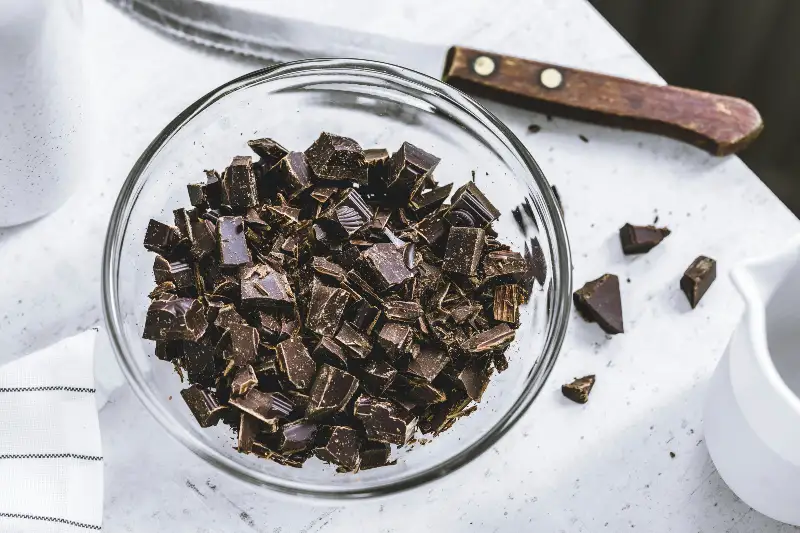
Dark Chocolate (70% or Higher): You don’t have to be a chocoholic to notice the dopamine hit you get when eating chocolate. The good news is that dark chocolate is also rich in magnesium and antioxidants. Moderation is key here, as it helps reduce stress hormones and manage mood swings during stressful periods.
Complex Carbohydrates: Whole grains, quinoa, and sweet potatoes help stabilise blood sugar levels, preventing mood swings and fatigue. These foods promote serotonin production, reducing stress hormones and helping maintain emotional balance.
Herbal Teas: Chamomile and peppermint tea provide relaxation, ease bloating, and help reduce menstrual cramps. Herbal teas can also help lower cortisol levels, reducing stress hormones and improving sleep quality.
Individual Responses to Stress and Reducing Stress Hormones
It’s important to note that everyone reacts differently to stress. Some women may notice changes in their cycle immediately, while others might not see any impact at all. The duration and intensity of stress can also influence how it affects your period. Prioritising strategies that help reduce stress hormones can make a big difference in minimising the impact on your menstrual health.
When Will Your Cycle Return to Normal After Reducing Stress Hormones?
The good news is that stress-related changes to your menstrual cycle are usually temporary. Once your body successfully reduces its production of stress hormones, these changes tend to resolve. Most women find their periods return to normal within one cycle after the stress subsides.
Managing Stress for Better Menstrual Health: Tips for Reducing Stress Hormones
While it’s impossible to eliminate stress entirely, you can manage how your body responds to it. By focusing on reducing stress hormones, you can better protect your menstrual health. In addition to the nutritional tips above, here are some techniques to reduce stress hormones:
- Breathing exercises
- Mindfulness meditation
- Regular stretching
- Talking about your feelings with others
- Taking breaks from news and social media
- Maintaining a consistent sleep schedule
- Increasing physical activity
- Avoiding smoking and limiting alcohol consumption

When to Seek Help
If changes in your menstrual cycle last more than one cycle, it’s advisable to consult with a healthcare professional. They can help determine if stress is the cause or if there are other underlying factors at play. Reducing stress hormones might require more in-depth strategies, depending on your unique situation.


